
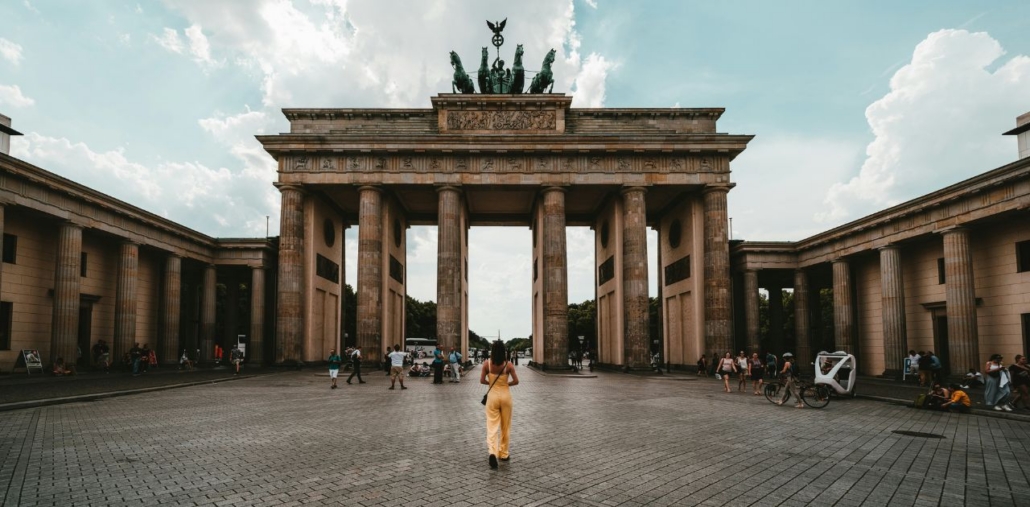
Berlin and cannabis: club culture and urban identity
Here, cannabis is not a product: it is identity
When we talk about Berlin and cannabis, we are talking about a cultural code rather than a commercial category. In Berlin, cannabis is woven into the city’s symbolic fabric: parties, club culture, streetwear, independent art, alternative neighbourhoods. Here, cannabis is not treated as a product — it is identity.
A gesture, an aesthetic, a way of being in the city. Unlike Toronto, it does not enter first through retail; it enters through the scene. Its imaginary is less shopfront and more belonging, less orderly and more layered, deeply tied to the languages of the urban underground.
A city of scenes before it is a city of markets
The relationship between Berlin and cannabis unfolds within a very specific symbolic geography: clubs, long nights, informal venues, independent creativity, neighbourhoods that have transformed marginality into cultural capital.
This is why the imaginary of Berlin and cannabis is not anchored to a single iconic place like the coffeeshop or the dispensary. Instead, it is built around a constellation of codes — gestures, atmospheres, communities.
Here, cannabis does not coincide with a form of purchase: it coincides with a scene, and therefore with a much more fluid and less retail-driven urban pop culture. That is its strength, but also the reason why Berlin remains difficult to translate into a conventional commercial model.
Germany’s new legality changes the context, but does not erase the underground
With the Cannabis Act that came into force in 2024, Germany entered a new phase: possession of up to 25 grams in public, up to 50 grams at home, cultivation of up to three plants per adult and, from 1 July 2024, the possibility of establishing non-commercial cultivation associations. This does not turn Berlin into an “ordinary” cannabis city, but it does change the relationship between urban culture and the law. The underground does not disappear: it redefines itself. Even for those looking at the European cannabis light market, Berlin matters precisely because it shows how a city’s cultural identity can survive even when the legal framework changes.
Berlin and cananbis, where it remains a language
What Berlin and cannabis demonstrate is that cannabis culture is not built solely through retail, licences or packaging. Sometimes it is built through languages, belonging, and urban atmosphere. Berlin’s contribution to the European landscape is not elegant normalisation or industrial professionalisation. It is the persistence of a cannabis culture that continues to speak the language of subcultures. And that is exactly why Berlin remains central: because it shows that, before it becomes a market, cannabis can still be a sign.
If you want to know more about the other cities of cannabis, check out this blog post.

