
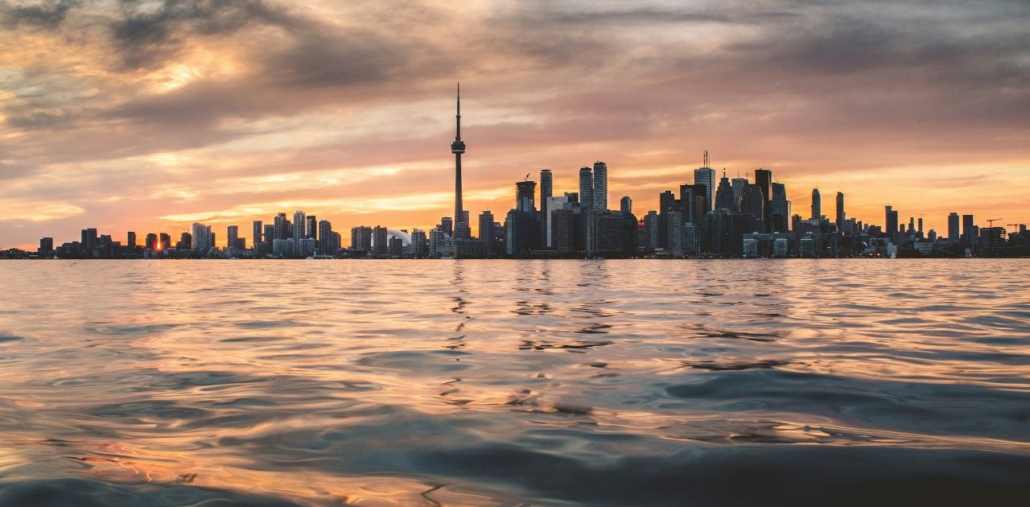
Toronto and cannabis: design, legality and pop culture
A city where cannabis has become cool, modern and accessible
When we talk about Toronto and cannabis, we’re talking about a cultural and aesthetic shift that has reshaped how cannabis can exist within an urban environment. Toronto has crafted one of the most refined visual identities in the cannabis world: minimalist storefronts, pastel tones, clean communication and sophisticated branding.
In this sense, Toronto and cannabis embody a form of designed normality. Cannabis is no longer framed as transgressive; it is seamlessly integrated into the city’s everyday landscape, just like cafés, concept stores or wellness brands. Toronto doesn’t dramatise cannabis — it normalises it through design and accessibility.
Design is not a detail: it is at the heart of the story
In Toronto, cannabis enters the city above all through form. The authorised point of sale matters just as much as the product itself: understated shopfronts, essential interiors, visual codes close to beauty, lifestyle and retail design. This is where pop culture meets legality. Cannabis stops seeming like a separate world and begins to speak the language of contemporary urban consumption: clean, accessible, photogenic. That is also why Toronto is often perceived as one of the most post-stigma cities in the cannabis landscape.
Legality, distribution and the order of the market
Behind this highly controlled image lies a precise regulatory framework. In Ontario, the Ontario Cannabis Store is the sole wholesaler for authorised private retailers, while the AGCO handles retail licences and authorisations. In addition, a cannabis store cannot be authorised if it is located within 150 metres of a public or private school. This means that the sense of order Toronto conveys is not merely aesthetic: it reflects a supply chain that is centralised on the distribution side and strongly regulated on the commercial side. Even for those observing the cannabis light market, Toronto remains a useful case study because it shows how much trust, legal structure and brand consistency matter.
When cannabis stops seeming exceptional
The significance of Toronto and cannabis lies in showing how cannabis can become mainstream without losing control or relying on rebellious narratives. Toronto doesn’t build myth; it builds visual credibility. It has made cannabis compatible with design, with contemporary retail and with a pop culture that doesn’t need to shout to be recognisable. If Amsterdam created the historical imaginary and Denver the industrial one, Toronto and cannabis represent the elegantly urban version — a curated, modern and fully integrated presence in the life of the city.
If you want to know more about the other cities of cannabis, check out this blog post.

