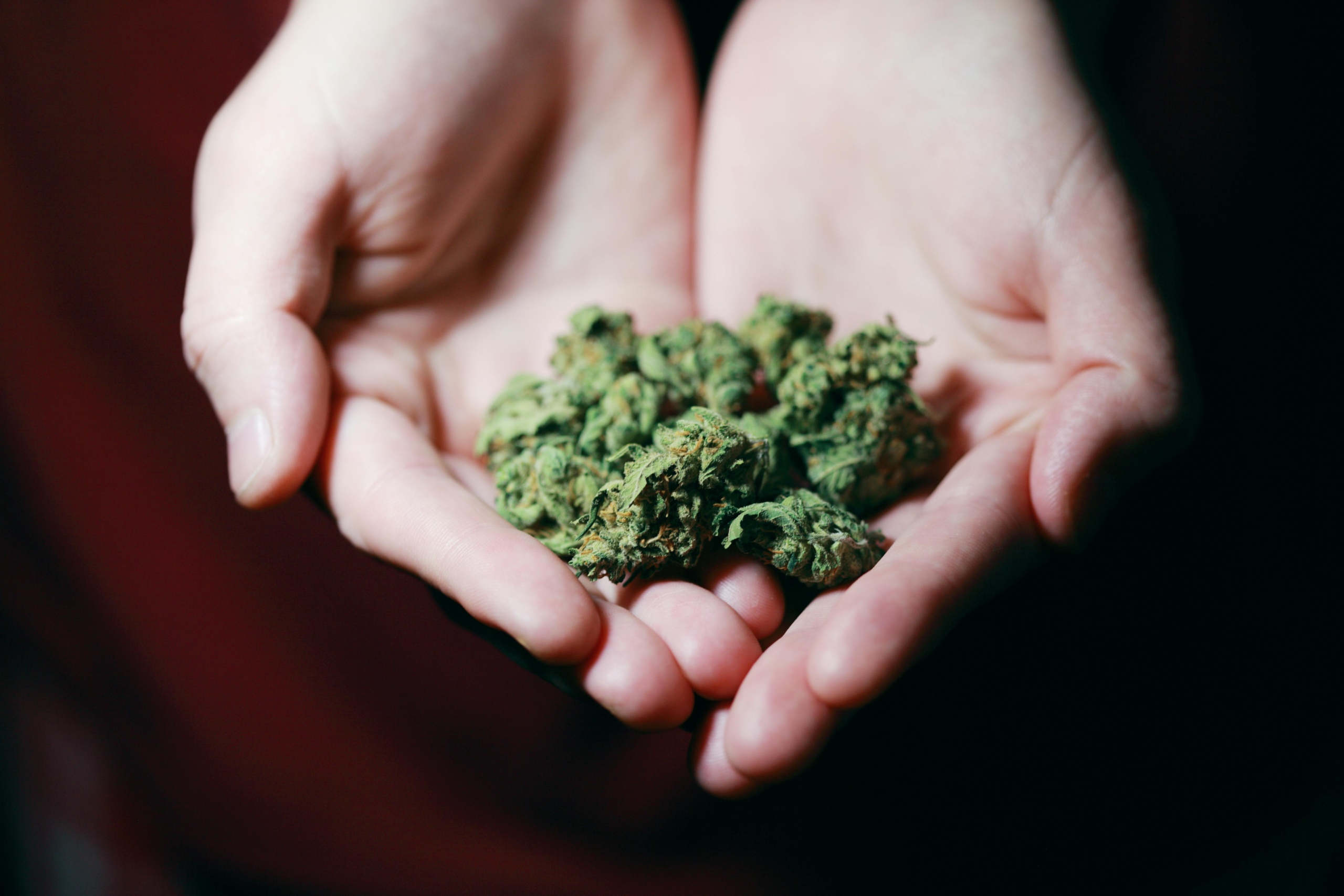
Hemp Cultivation: The Technological Innovations In The Industry
What are the latest technologies in hemp cultivation?
In recent years, the industry has experienced steady growth, driven by innovative solutions that improve yield, quality, and sustainability. From IoT (Internet of Things) sensors that monitor plants in real time to advanced hydroponic systems and next-generation LED lighting, technology is changing how hemp is produced, both for industrial applications and the legal cannabis market.
In this article, we explore the main innovations and their impact on growers and businesses.
Why Technology Is Crucial for Hemp
Hemp is a highly versatile crop, used across sectors ranging from textiles to food, cosmetics, and CBD extracts (read more in our dedicated article). Achieving consistent quality, however, requires careful control of factors such as light, temperature, humidity, and nutrients. New technologies make it possible to:
- Monitor growing conditions in real time
- Intervene quickly when anomalies occur
- Reduce waste and optimize resources.
IoT Sensors and Precision Agriculture
The integration of IoT sensors is transforming hemp cultivation into a highly controlled process.
These devices, connected to cloud-based platforms, can track:
- Soil moisture levels
- Air temperature and quality
- Light intensity
- Plant health status.
With this data, growers can automate irrigation and fertilization, lowering operational costs while ensuring consistently high-quality harvests.
Hydroponics and Aeroponics: Soil-Free Cultivation
Hydroponic and aeroponic techniques offer full control over nutrient delivery and reduce the risk of soil-borne diseases.
Key benefits include:
- Year-round production
- Higher yields per square meter
- Lower water consumption compared to traditional farming.
For businesses, this means predictable, repeatable production regardless of external weather conditions.
High-Efficiency LED Lighting
Lighting is a key factor in indoor hemp cultivation.
New-generation LED systems allow growers to:
- Customize the light spectrum for each growth stage
- Reduce energy consumption by up to 50% compared to HPS lamps
- Generate less heat, making climate control easier.
The result is healthier plants and significant energy savings.
Automation and Agricultural Robotics In The
Hemp Cultivation
Robots and agricultural drones are also making their way into hemp cultivation. They can map crops, identify problem areas, and who knows, in the future they might even assist with certain pruning tasks.
For harvesting, the eye and hand of humans will still be necessary, but support in carrying out repetitive tasks is already improving operational efficiency.
Genetic Selection and Advanced Breeding
Modern breeding techniques enable the development of hemp varieties that are:
- Resistant to specific diseases
- Optimized for particular climates
- Tailored to specific cannabinoid and terpene profiles.
This level of customization offers a strong competitive advantage for businesses looking to stand out in the market.
Sustainability and Reducing Environmental Impact In The
Hemp Cultivation
Many innovations aim to make hemp cultivation more eco-friendly. Water recycling systems, renewable energy use, and reduced pesticide and chemical fertilizer application help to:
- Lower long-term costs
- Appeal to clients focused on ESG* practices.
Conclusions: The Future of Hemp Cultivation
The industry is undergoing a major transformation. Businesses that adopt monitoring technology, automation, and sustainable practices will gain a clear competitive edge, combining quality, efficiency, and environmental responsibility.
___
*An acronym for Environmental-Social-Governance, it refers to practices that integrate environmental, social, and corporate governance sustainability criteria.